
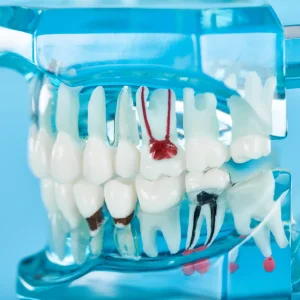
Root canal treatment is a common dental procedure, yet many patients still have concerns about pain, safety, and recovery. Misunderstandings often cause unnecessary fear, even though modern dentistry has made root canals more comfortable and effective than ever. If you are dealing with tooth pain or infection, learning the basics can help you feel confident about your treatment.
In a previous blog, we highlighted how modern dental technology has improved root canal procedures, making them safer and more comfortable. This article builds on that topic by answering the most common questions patients have about root canal treatment and what they can expect from the procedure.
Patients often look for clear and trustworthy information before deciding on dental treatment. Understanding how root canals in Glendale are performed, what the procedure involves, and why early care is important can help patients reduce anxiety and make informed decisions about their oral health.
A root canal is performed when the inner pulp of a tooth becomes infected or inflamed due to deep decay, cracks, or injury. The pulp contains nerves and blood vessels, and once bacteria reach this area, pain and swelling can occur. Root canal treatment removes the infected tissue, cleans the inside of the tooth, and seals it to prevent further infection. Early treatment helps preserve the natural tooth and prevent complications.
Many patients worry that a root canal will be painful, but this is one of the most common myths. With modern anesthesia and advanced dental techniques, the procedure is usually comfortable. In fact, root canal treatment often relieves the pain caused by infection. Most patients experience only mild sensitivity afterward, which fades within a few days.
Healing after a root canal is usually smooth, with minimal downtime. Mild tenderness or sensitivity is normal and can be managed with over-the-counter pain medication. Patients are usually advised to avoid chewing on the treated tooth until it is restored with a crown. Proper restoration also supports patients who receive cosmetic care from a cosmetic dentist in Glendale, as a strong tooth structure helps maintain appearance and function.
The length of root canal treatment depends on the condition of the tooth and the severity of infection. In many cases, the procedure can be completed in one visit, lasting about 60 to 90 minutes. More complex cases may require two appointments. Advanced tools and technology allow for precise treatment and reduced chair time.
Saving the natural tooth helps maintain proper chewing function, bite alignment, and jawbone health. Tooth extraction can lead to shifting teeth and additional dental procedures. Seeking prompt treatment from a reliable dentist in Glendale helps protect long-term oral health and minimizes the risk of advanced procedures later.
Root canal treatment is a safe and effective way to eliminate infection, relieve pain, and protect your natural teeth. Understanding the procedure can ease concerns and help patients seek timely care. If you are experiencing tooth discomfort or signs of infection, professional treatment is essential. To learn more or schedule an appointment, contact 818-500-7740 and take the first step toward better oral health.
Accreditation





SCHEDULE AN APPOINTMENT TODAY AT DENTAL OFFICE IN GLENDALE
Getting your dream smile is easier than you think.
At Smile Dental Practice we welcome you on the journey towards a complete transformation of your smile! Please contact us if you have any questions or to schedule a consultation.
Accessibility Menu

based on 100 reviews
based on 1 reviews
based on 40 reviews
based on 1 reviews
based on 5 reviews
based on 100 reviews
based on 1 reviews
based on 40 reviews
based on 1 reviews
based on 5 reviews